




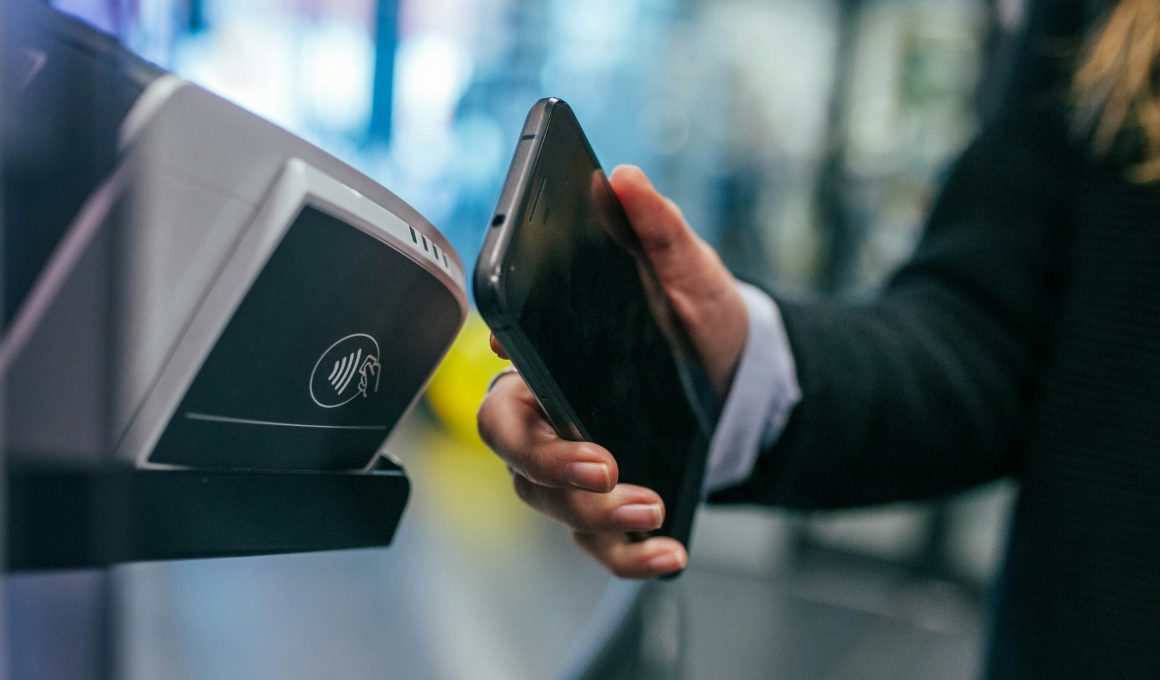
The shift away from cash was just the beginning. What is happening now runs much deeper; it is a structural change in how financial systems communicate, how identities are confirmed, and how services are accessed. Open banking and instant verification are rewriting the rules of the global service economy, and the effects are visible across industries that most people would never associate with financial technology.
Open Banking: Giving Users Control Over Their Own Financial Data
Open banking is built on a straightforward idea. Your financial data belongs to you, and you should be able to share it with whoever you choose, on your terms. In practice, this means banks and financial institutions are required, in many jurisdictions, to open up their data systems through standardized APIs. Third-party providers can then access account information, initiate payments, and build services on top of existing banking infrastructure, all with the user’s explicit permission.
The real disruption here is competitive. Before open banking, the relationship between a customer and their bank was largely closed. You could use the services your bank offered, and switching was a slow, frustrating process.
Open banking broke that exclusivity. Now, a fintech startup can offer a better savings tool, a faster loan assessment, or a cleaner payment experience, and plug directly into a user’s existing bank account to deliver it. The incumbents no longer hold all the cards.
For businesses operating in the service economy, this has been significant. Payment processing costs have dropped in markets where open banking is mature. Account-to-account transfers are replacing card networks in many contexts, reducing friction and fees simultaneously.
Subscription platforms, e-commerce operators, and gig economy companies have been quick to adopt these rails because the commercial logic is compelling: cheaper transactions and fewer failed payments add up fast at scale.
Regulators in Europe, the UK, Australia, and Brazil have driven much of this progress through formal frameworks. PSD2 in Europe and the UK’s Open Banking Standard were early movers. The result is that in these markets, consumers have genuine choice, and competition among financial service providers is more intense than it has ever been. Markets without similar mandates are watching closely, and many are beginning to follow suit.
Instant Verification: Real-Time Identity Checks Are Improving the Way People Access Services
Another area that has changed in the global service economy is instant verification. While open banking has transformed how money moves, instant verification has transformed how people prove who they are and how quickly they can start using a service. The old model involved submitting documents, waiting for manual review, and dealing with delays that could stretch from hours to days.
Instant verification technology works by combining multiple data sources in real time. Bank-grade identity data, government ID cross-checks, biometric confirmation, and device intelligence can now be run simultaneously in a matter of seconds. The result is that a new user can be verified, risk-assessed, and approved before they have finished filling out a form.
Stripe Identity is one strong example of this in action. Stripe, already dominant in payment infrastructure, extended its platform to include real-time identity verification using government ID scanning and selfie matching. Businesses integrating Stripe Identity can verify a new user in under thirty seconds. For platforms that previously relied on manual document review teams, this represented a dramatic reduction in onboarding time and cost.
The change is also visible in other industries, more specialized ones like casino gaming. In the Finnish online casino economy, for instance, many new casinos, the so-called uudet nettikasinot, have adopted this technology, enabling players to spend less time creating accounts and confirming transactions and more time actually playing. What used to involve uploading passport scans and waiting for approval now happens in seconds, directly through bank authentication.
Healthcare is another sector where instant verification has made a measurable difference. Telemedicine platforms, which saw explosive growth in recent years, faced a specific challenge: they needed to verify patient identity and confirm insurance eligibility before consultations, but slow verification created delays that undermined the whole point of remote care.
Companies like Veriff began partnering with telehealth providers to automate these checks. A patient booking an appointment could have their identity confirmed and their coverage verified before they even selected a time slot. This removed a major bottleneck, improved access to care, and reduced the administrative burden on clinical staff.
Where These Two Forces Converge
Open banking and instant verification are often discussed separately, but their combined effect is greater than either delivers alone. When a platform can both confirm a user’s identity in seconds and access their financial data through a bank API, the entire onboarding and service delivery pipeline accelerates.
Credit decisions that once took days can now be made in minutes. Loan applications can be pre-filled from verified bank data and approved against real income figures rather than estimates. Insurance quotes can be generated with accurate financial context rather than generic assumptions.
The industries that have moved fastest on both fronts (fintech, digital lending, online services) are pulling further ahead of those that have not. The gap between a seamless, instant experience and a clunky, document-heavy one is now large enough that users notice and choose accordingly.
What makes this moment interesting is that the technology is no longer experimental. The infrastructure exists, regulatory frameworks are in place in many key markets, and implementation costs have dropped significantly. The disruption is already well underway, and the service economy is being rebuilt around it.