




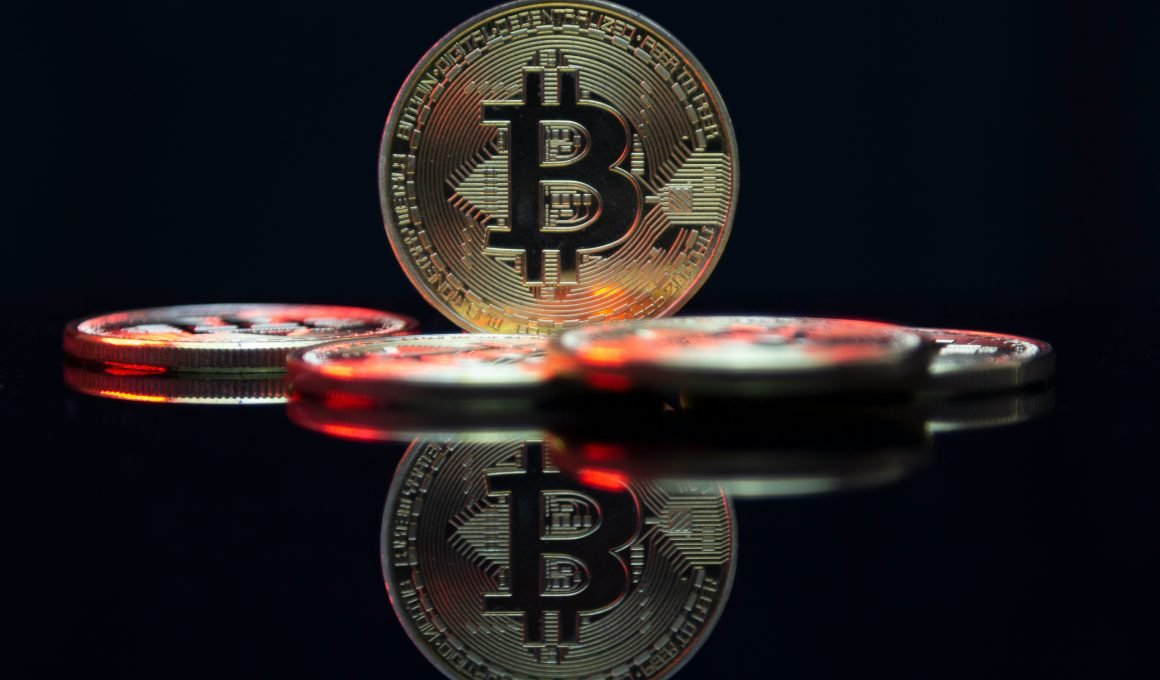
Almost any website, podcast, or subreddit that covers crypto will focus on bitcoin. That’s as reliable a rule as a basketball pundit namechecking Michael Jordan among the greats, or a classic rock station spinning at least one Beatles track per hour. But why is bitcoin still the center of crypto conversations, no matter how many hundreds of alternative coins enter the market?
Bitcoin price drives market sentiment
Of any cryptocurrency, Bitcoin still has the biggest influence on the overall market. The Bitcoin price is a reliable sign of the market’s health. Traders, analysts, and casual investors are likely to start their research by looking at bitcoin’s movements. If there are significant gains, altcoins will usually follow, creating wider market optimism. Similarly, big drops in bitcoin can trigger selling across other cryptocurrencies.
Price changes generate headlines, social media discussions, podcasts and YouTube analyses. Even people with minimal knowledge of cryptocurrencies are likely to recognize Bitcoin, while most altcoins remain fairly obscure. The attention drives adoption, and adoption drives attention.
Media focus and public perception
Media focus plays a big role and deserves its own section. Journalists, analysts, and influencers often use Bitcoin as the main reference when explaining trends or reporting market developments. The coverage reaches a wide audience with major sites like Yahoo Finance and Forbes covering crypto. Reuters’s “Crypto Weekly” column, for example, is always likely to cover “bitcoin highs” or similar news. Other outlets often cover topics like “Gold vs. crypto” that almost invariably mention bitcoin in the first paragraph.
Over the years, there have been a few milestones and controversies to keep bitcoin in the public eye. Price highs, regulatory debates (notably in the last two years in the US), and technological upgrades have made for bigger talking points than almost anything to do with Ethereum, for example. In 2025, President Trump’s administration’s support for crypto (particularly bitcoin) has encouraged investment from traditionally more conservative businesses.
21 million coins and no more
Bitcoin’s capped supply of 21 million coins leads to a sense of scarcity not dissimilar to gold and other metals. Fiat currencies, in contrast, can be printed at will by central banks. Bitcoin has appealed to investors looking for a hedge against inflation and a store of value.
Knowing that there will never be more than 21 million coins encourages investors to hold their share rather than sell immediately; this “HODling” supports Bitcoin’s price over time.
Analysts and projections
Unlike with any other currency (at least to the same extent), there are a huge number of analysts who focus on bitcoin. There are daily headlines where analysts are warning of “head fakes” (false breakouts) in price changes, or predicting a peak the following month. In October, the trader Tony “The Bull” Severino was quoted on finance websites saying it might take 100 or more days to see a valid breakout.
There are others who predict peaks: in the same month, analyst Peter Brandt said it was reasonable to expect a bullet market high in the near future. (Brandt correctly predicted bitcoin’s 2018 and 2021 market highs, and cited three reasons for another possible milestone – namely growing institutional adoption, recent price performance, and the so-called “debasement trade” with assets losing purchasing power).
Beyond individual forecasts, entire research firms dedicate resources to modeling Bitcoin’s future price movements. Some rely on on-chain metrics (e.g. the number of active addresses or miner reserves); others use macroeconomic indicators like interest rate trends and liquidity cycles.
Their conclusions often differ (such is the difficulty in predicting anything in finance), but the sheer volume of data and sophisticated methodologies highlight how Bitcoin analysis has evolved from its early, speculative days. It also underscores why Bitcoin price predictions can swing from extreme caution to unbridled optimism within the same news cycle.
The hope of even bigger wins – or at least safety
Bitcoin is still often seen as a way to huge financial success. The Motley Fool recently asked whether the currency was a “millionaire” maker (and quickly answered that it had indeed boosted the fortunes of billionaires and millionaires in the last 15 years). Back in March 2010, bitcoin (BTC) started trading at a measly $0.003, and for much of the time since, people have been predicting it would reach the next milestone – $10,000, $100,000, and even the extraordinary figure of $1,000,000.
Tech companies like Strategy, who rebranded and included a stylized “B” to signify their interest in bitcoin, have invested huge sums into the currency. This year, it has increasingly been seen as a store of value since Trump’s support and amid growing financial uncertainty.
Part of the appeal lies in the fixed supply, discussed above, with some investors claiming it functions as a “digital gold”. Institutional players (hedge funds, publicly listed companies) have been more willing to invest over the last year, and though bitcoin is still not universally seen as legitimate, its image has changed considerably. Mainstream payment processors and spot ETFs in several economies have added to the impression that it isn’t just a speculative play anymore.
Bitcoin remains the benchmark
Every conversation about digital currencies inevitably involves Bitcoin because it represents the foundation of the crypto market. It is both a financial asset and a cultural phenomenon that sets the standard for the entire industry.